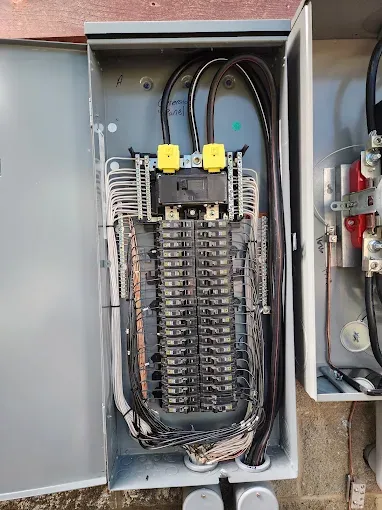
The electrical panel distributes power to the circuits throughout a home. It also provides overcurrent protection through breakers designed for the circuits and equipment they serve.
An upgrade may be appropriate when the existing panel is damaged, lacks capacity or circuit space, is unsuitable for planned equipment, or is part of a larger rewiring or remodeling project. The correct decision starts with the existing system and the loads the home needs to support.
Age is only one part of the decision
An older panel is not automatically unsafe, and a newer panel is not automatically suitable for every project. Condition, installation quality, breaker compatibility, available capacity, labeling, visible damage, and the way circuits are being used all matter.
A professional evaluation can distinguish between a repair, a breaker or circuit correction, added subpanel capacity, and a full panel or service upgrade. That avoids treating every electrical symptom as a reason to replace the entire panel.
Common reasons homeowners consider an upgrade
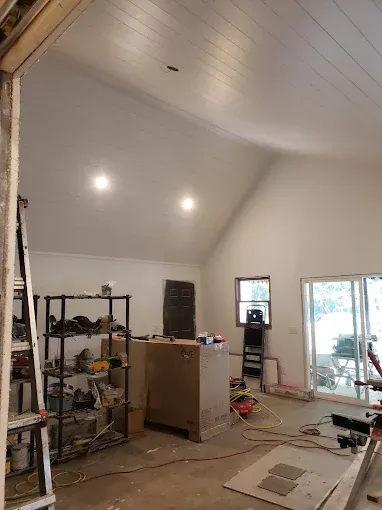
Many panel projects begin because the home is changing. A remodel, room addition, electric vehicle charger, hot tub, generator, HVAC change, or major appliance can introduce new electrical requirements. The panel and service need to be reviewed as part of the complete load and installation plan.
- The panel has no practical space for required new circuits
- Planned equipment adds a significant continuous or high-demand load
- There is visible corrosion, overheating, physical damage, or water exposure
- Breakers or components are incompatible, damaged, or difficult to source correctly
- A remodel or rewiring project changes how power is distributed
- An inspection identifies conditions that require correction
Repeated breaker trips need diagnosis first
A breaker that repeatedly trips may be responding to an overloaded circuit, a damaged appliance, a wiring fault, or another condition. Installing a larger breaker without confirming the conductor and circuit requirements is not a safe shortcut.
Troubleshooting the affected circuit helps determine whether the panel itself is the issue or whether a targeted circuit, device, or equipment repair is more appropriate.
Plan panel work around future home projects
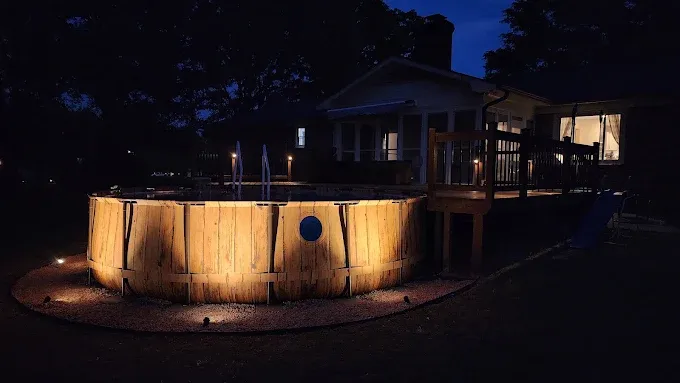
If a homeowner expects to add an EV charger, electric cooking equipment, a hot tub, a workshop, a standby generator, or additional living space, it is useful to discuss those plans during the panel evaluation. Capacity should be considered with real equipment specifications and the home’s calculated demand.
Good planning can also improve circuit organization, labeling, dedicated circuit placement, surge protection, and coordination with remodel wiring. The final scope depends on the existing service, utility requirements, permits, equipment, and local conditions.
Electrical panel services in Gaston County and nearby areas
Dulin’s Electrical provides residential panel upgrades and replacements, breaker work, circuit additions, home wiring, remodel wiring, and related electrical corrections from its Bessemer City base.
Service is available across Gaston County and surrounding North Carolina counties. When requesting a quote, describe the panel, any recurring issues, planned equipment, and the property location so the next step can be matched to the project.
Common questions
Frequently asked questions
Does an old electrical panel always need replacement?
No. Age is one factor, but condition, capacity, component compatibility, installation quality, and the home’s electrical needs should guide the recommendation.
Do I need a panel upgrade for an EV charger?
Not every home does. The charger specifications, selected charging rate, existing loads, service capacity, panel condition, and circuit space should be evaluated together.
Can a subpanel solve limited circuit space?
A subpanel may be appropriate in some systems, but available service capacity, feeder requirements, equipment condition, location, and the planned circuits must be reviewed first.
This article provides general homeowner information, not an electrical diagnosis. Conditions vary by property. For active smoke, fire, arcing, or an immediate threat, leave the area and contact emergency services or the utility as appropriate.